Formosan vs. Drywood Termites in Sarasota: What Homeowners Need to Know About Termite Prevention in 2026
Termite prevention in Sarasota, FL, is a year-round concern, and knowing the difference between Formosan subterranean termites and drywood termites can directly impact how well homeowners protect their properties in 2026. These two species are the most common in Southwest Florida, and they behave very differently. Understanding each one helps you recognize warning signs earlier, respond faster, and choose the right course of action before costly structural damage sets in.
What Is a Formosan Subterranean Termite?
Formosan subterranean termites are an invasive species that live underground and rely on soil contact for moisture. A 2026 University of Florida study confirmed this species has spread well beyond South Florida and is now active across much of the state, including coastal counties in the Sarasota area. Their colonies can exceed one million insects, making them far larger and more aggressive than most other termite species in Florida, and capable of causing structural damage much faster. They typically swarm on warm, muggy evenings in late spring, often near outdoor lights or windows.
Key warning signs of Formosan termites include mud tubes along your foundation, block walls, or garage expansion joints; swarms of pale winged insects on humid spring evenings; hollow-sounding wood near the base of walls or the soil line; and discarded wings near doorways or windowsills after a swarm.
What Is a Drywood Termite?
Drywood termites do not need soil contact to survive. They infest dry wood directly, living entirely within the wood they consume, including roof beams, window casings, attic framing, hardwood floors, and wooden furniture. Because they stay hidden inside wood, colonies can persist for years without detection. Their colonies are much smaller, typically numbering in the thousands, but cumulative damage can still compromise your home's structure over time.
In Southwest Florida, the drywood swarming season runs from late spring through early fall, meaning Sarasota homeowners may face pressure from both species at overlapping times of year.
Key warning signs of drywood termites include tiny, hard fecal pellets (frass) under baseboards or near windowsills; small kick-out holes in wood surfaces; blistered or bubbled paint suggesting tunneling underneath; a hollow sound when tapping structurally intact wood; and discarded wings near light sources after an evening swarm.
How Does Sarasota's Climate Affect Both Species?
Florida law protects all native wildlife under FWC regulations. Most native mammals, birds, reptiles, and amphibians may not be kept as pets. Injured or orphaned native animals must be taken to a licensed wildlife rehabilitator. The FWC maintains a county-by-county rehabilitator list on its website for Manatee County residents.
What Should You Do if You Find a Potentially Illegally Kept Animal?
Sarasota's Gulf Coast climate creates near-ideal conditions for both termite species year-round. Termite activity in this region does not pause during cooler months, and colonies may remain active inside warm walls and framing even in January. Hurricanes and heavy rain events regularly create water intrusion and soften wood, giving both species easier access to your home's structure.
Neighborhoods near the bay with older coastal homes may face heightened drywood termite pressure due to exposed and aged wood. Newer construction is not automatically protected either, since fresh lumber also attracts both species. Consistent termite prevention habits are the most reliable way to reduce long-term risk regardless of a home's age.
Termite Prevention Steps by Species
Effective termite prevention in Sarasota, FL, requires addressing both species separately, since they use different entry points and respond to different treatment methods.
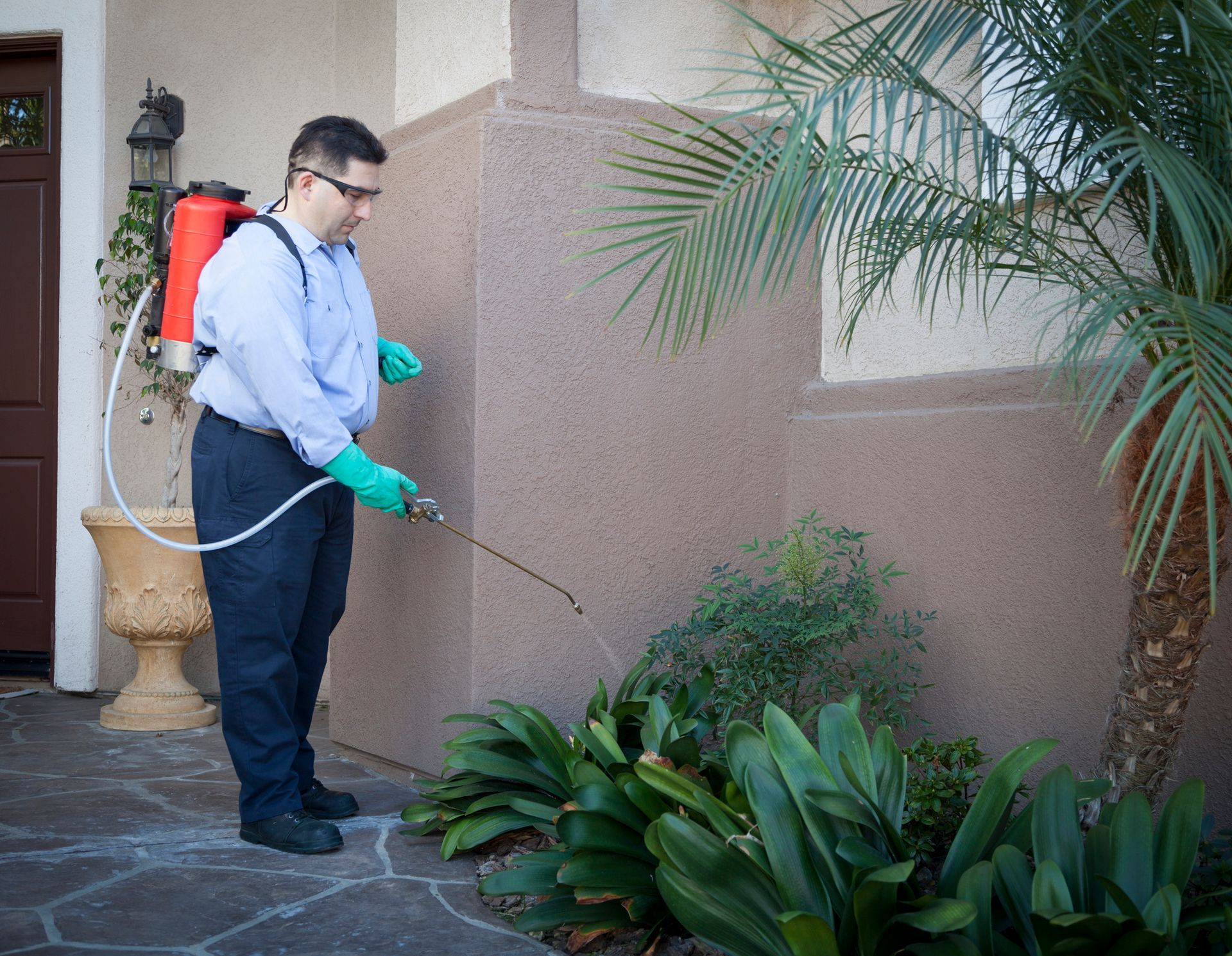
For Formosan subterranean termites: eliminate direct wood-to-soil contact around your foundation, decks, or porches; keep mulch pulled back from the foundation; fix leaks and address moisture buildup promptly; and ask a licensed professional about soil barrier treatments or bait station systems.
For drywood termites: seal cracks and open wood joints around window frames, roof eaves, and siding; apply wood sealants or paint to exposed exterior wood; screen attic vents and other openings where swarmers may enter; and have attic framing and window casings inspected regularly.
Annual professional inspections are one of the most practical termite prevention steps any Sarasota homeowner can take, since Florida termites do not hibernate and early detection is far less expensive than structural repair.
How Do I Know Which Termite Species I Have?
Mud tubes near the foundation typically indicate a Formosan or subterranean termite problem. Hard pellet-like droppings near baseboards or under furniture, combined with small exit holes in the wood, are a strong indicator of drywood termites. A professional inspection is the most reliable way to confirm the species and determine the appropriate treatment approach.
When Should a Sarasota Homeowner Call a Termite Professional?
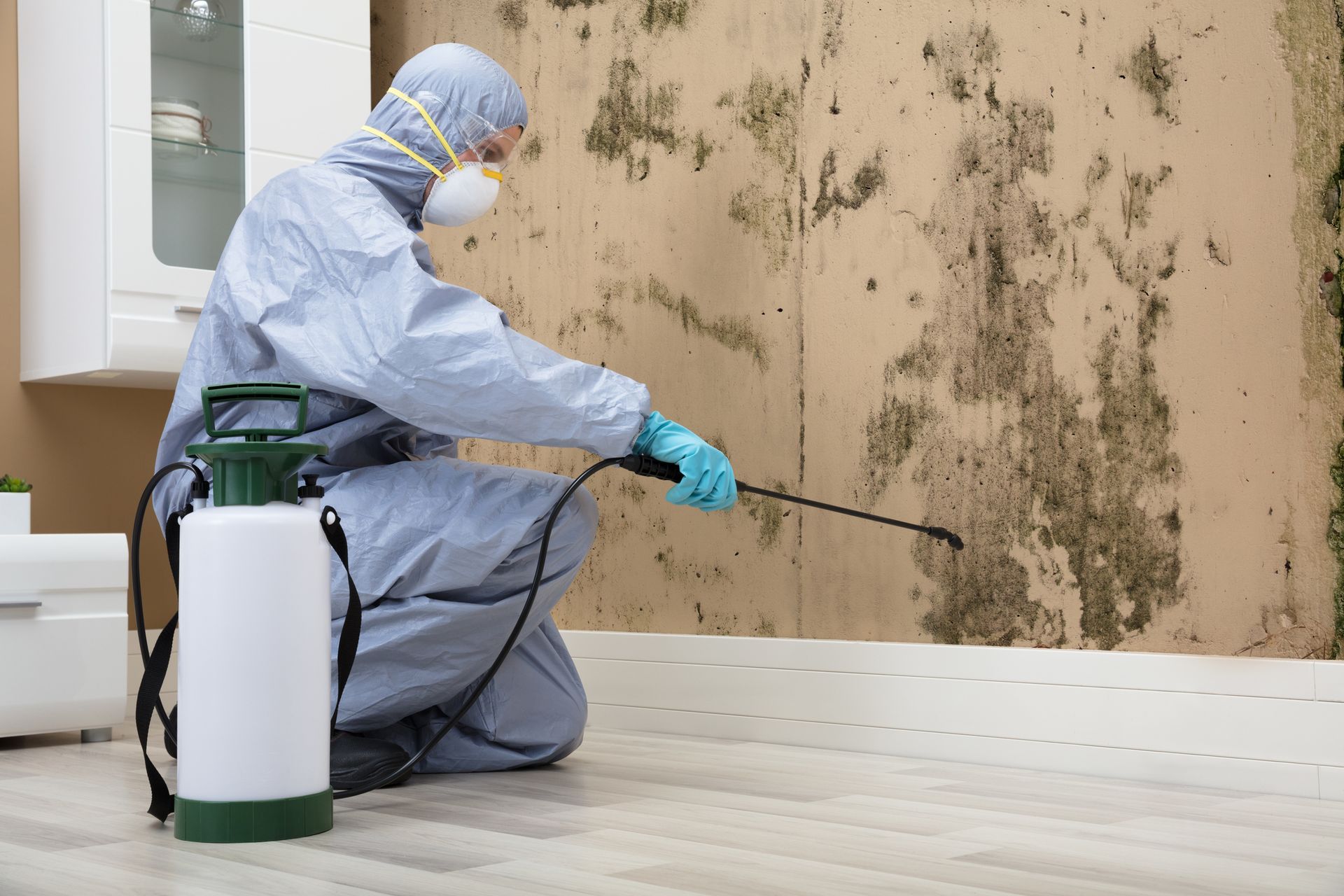
Contact a pest control professional as soon as you notice any warning signs described above. Because both species can cause serious structural damage before becoming visible, waiting to act may significantly increase repair costs. A licensed inspector can identify which species is present, assess damage, and recommend species-specific options such as liquid termiticide applications, bait station systems, or fumigation for widespread drywood infestations. Proactive termite prevention in Sarasota, FL, is always more cost-effective than reacting after damage has occurred.
Do New Homes in Sarasota Need Termite Prevention?
Yes. Fresh lumber can attract drywood termites, and Formosan subterranean termites can establish foraging paths through soil long before structural damage becomes obvious. Pre-construction soil treatments and ongoing monitoring plans are smart prevention measures for newly built homes.
Get Professional Help Serving Sarasota Homeowners
Protecting your home from both Formosan and drywood termites requires accurate identification and the right response for each species. Molter Pest and Wildlife Control serves Sarasota, FL, with termite control, inspections, fumigation, and prevention services. If you have noticed any of the warning signs covered in this guide, don't wait to get an expert opinion.
Visit the termite services page to learn about available treatment options, or contact the team to schedule a free estimate. Call (941) 747-8525 today to take the first step toward protecting your home. You can also find Molter Pest and Wildlife Control on Google Maps to read reviews and get directions.